
The Ultimate Guide to Managing Casino Sessions
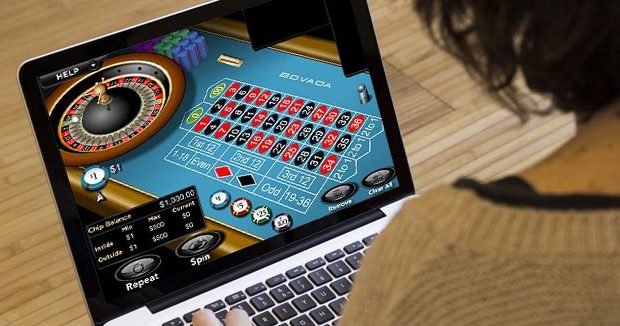
I’ve observed thousands of players enter an online casino lobby armed with a basic deposit number, a loose hope, and no plan. No stop-loss, no time limit, no strategy for what to do with a win. Most burn through their bankroll in under forty minutes. It’s not because the games are rigged; it’s because they approach a session like a lottery ticket, not an entertainment product with definable pace, volatility, and cost. Session management is the single most under-taught skill in online gambling. It’s the boundary between players who log off content and those who run after losses until their balance reads zero. I’ll walk you through exactly how I structure a session, the parameters I set before I open a game, and how I modify in real time when variance swings hard in either direction. Everything I cover works whether you’re playing slots, live dealer tables, or crash games, and I’ll base the advice in the real mechanics you’ll find on a platform like Betscore Casino, where the game library includes thousands of titles with wildly different mathematical profiles, from low-volatility classics to high-risk Megaways titles, and I’ll show you how to select the right ones for your session.
The first Establishing a Casino Session as a Self-contained Entertainment Unit
Structuring a session this way forces me to answer three questions before I tap anything. What sum am I ready to spend for this block of entertainment? For how much time do I wish it to continue? And what result would make me to quit early? Without answers, I’m practically offering my money to a random number generator and wishing it gives back more than it removes. Players I’ve consulted who adopt this sealed-container approach consistently report higher satisfaction, even when they lose, because the loss was a known, accepted cost rather than a unexpected event. The casino industry designs every element of the interface to erase that barrier: autoplay, one-click deposit top-ups, and pop-up bonus offers all operate to keep you in a unbroken flow state. Identifying that is the first move toward taking back control.
A casino session does not equal the same thing as a gambling day. I define a session as a single uninterrupted period of play with a fixed starting bankroll, a pre-set time cap, and a clear exit trigger. The second I rise from my workstation or exit the app, the session concludes, and I do not resume it five minutes later with the same mental tracking. This difference matters because our brains are poor at totaling losses across several short sessions. If I lose fifty dollars in a ten-minute slot session, exit the tab, then open again it and lose another forty, my memory records two small setbacks rather than a ninety-dollar deficit. Platforms like Betscore Casino facilitate to deposit and start games in seconds, which is a advantage that turns into a drawback without session limits. I regard each session as a closed container: I decide the entry fee, I choose the maximum duration, and I acknowledge that whatever happens inside that container stays there.
5. Payment and Payout Workflows That Promote Self-Control
The operations of moving money in and out of a casino account significantly influence session management, yet the majority of players disregard them entirely https://betscore1.ca/. I structure my deposits so that they match my session plan as opposed to my impulses. If I intend to play a fifty-dollar session, I deposit exactly fifty dollars, even though the platform provides a larger match bonus for a higher deposit. The psychological barrier of needing to complete the deposit process again is a strong brake on tilt-driven reloading. Betscore Casino offers a range of payment methods including e-wallets, bank transfers, and cryptocurrency options, and I choose the method that offers the longest processing delay for deposits when I aim to enforce discipline, or the fastest one when I am carrying out a planned session and want to start promptly.
Withdrawal workflow is equally important. I set a withdrawal threshold prior to playing: if my balance attains a certain multiple of my session buy-in, I withdraw a portion right away. For a fifty-dollar session, I might determine that if I attain one hundred and fifty dollars, I take out one hundred and keep fifty to continue playing. This guarantees a profit and prevents the common scenario where a player builds a balance up to a significant sum, carries on playing because they feel invincible, and blows it all. The pending withdrawal period that most casinos enforce, typically twenty-four to seventy-two hours for e-wallets, genuinely provides a useful purpose here: it stops me from canceling the withdrawal on a whim and ploughing the money back into games. I consider that cooling-off window as a advantage, not a flaw.
4. Game Selection as a Session Control Tool
Not all games are exchangeable session parts. Each title has a risk profile, a RTP, and a win frequency that directly shapes the flow of my session. I select games based on what I need the session to be like and how long I require my bankroll to last. Low-risk slots with RTPs above ninety-seven percent and hit frequencies exceeding thirty percent yield regular small wins that lengthen playtime and are ideal for a leisurely ninety-minute session with a limited bankroll. High-variance slots with RTPs around ninety-six percent and hit frequencies under twenty percent are better suited to short, fierce sessions where I accept that I could lose my full buy-in in fifteen minutes but have a chance at a multiplier exceeding one thousand times my bet.
At Betscore Casino, the collection of games is big enough that I can construct full sessions around a specific mathematical profile. I may spend an evening on low variance NetEnt classics like Starburst for consistent entertainment, or I might dedicate a half-hour burst to a high-risk Megaways title where the bonus purchase option lets me go directly to the high volatility segment. Table games provide a different lever: blackjack with flawless basic strategy gives me the smallest house edge in the casino, usually under one percent, which means my bankroll for the session erodes gradually and I can game for hours. Roulette, especially American double-zero roulette with a house edge over five percent, eats through bankroll much faster. I steer clear of American roulette completely for session play and use European single-zero wheels when I desire roulette action.
Combining Game Types Within a Session
I occasionally structure a session with a main game and a secondary palette cleanser. For example, I could allocate seventy percent of my session bankroll to blackjack and thirty percent to a low variance slot. When I encounter a streak of bad blackjack hands and sense my focus slipping, I switch to the slot for ten minutes to reset my mental state without leaving the session container. This only works if I pre-allocate the split and refrain from using the secondary game as an escape hatch to chase losses. The risk is that a slot’s faster pace can accelerate bankroll depletion if I am not rigorous about the time and bet limits I establish for that portion of the session. I write down the allocation before I start and treat it as a binding contract with myself.
2. Bankroll Splitting and Stake Sizing
The biggest mistake I encounter is a player depositing their entire monthly gambling allocation into a single account amount and then playing straight from that pool. This turns every spin or hand into a decision about the entire bankroll, which amplifies loss aversion and leads to irrational bet selection. I divide my total bankroll into session-sized chunks before I even log in. If I have set aside three hundred dollars for the month, I might split that into six fifty-dollar rounds, each with its own guidelines and game choice. page d’accueil The key rule is that no single session should expose more than twenty percent of my total bankroll, and preferably less than fifteen percent. This makes sure that a brutal run of variance cannot wipe me out in one sitting, which is statistically inevitable if I play long enough.
Buy-in sizing within a gaming session depends heavily on the game genre. For high-volatility slots with a 96% RTP and a hit frequency around twenty-five percent, I require at least 150 base-game spins in my session bankroll to have a reasonable chance of observing the game’s mathematical profile. If I am spinning a slot with a minimum wager of $0.20, that means a playing budget of thirty dollars is feasible but limited; $50 provides me with much greater protection of the swing curve. For real dealer blackjack with a casino advantage of approximately half a percent under perfect basic strategy, I can work with a smaller multiple of my initial stake because the variance are more moderate. I typically bring 40-50 times my base wager to a blackjack table. At Betscore Casino, the betting limits range from low-stakes online games to VIP live dealer rooms, so I can always find a betting level that matches my gaming budget without compelling me to bet beyond my means.
Adjusting Buy-In for Promotional Play
As I go through a welcome bonus or a reload offer, my buy-in calculation changes because the wagering requirement adds a time and volume dimension. A standard online casino bonus may require me to play through the deposit plus bonus amount thirty-five times before I can cash out. If I add fifty dollars and obtain a fifty-dollar match, I now have one hundred dollars in bonus funds but must produce three thousand five hundred dollars in total wagers. My playing bankroll has to be large enough to absorb the expected loss during that betting volume. With a five percent house edge on slots, the expected loss on three thousand five hundred dollars of play is one hundred and seventy-five dollars, which surpasses my starting balance. I handle bonus sessions with the awareness that I am purchasing extended playtime and a shot at a withdrawal, not a guaranteed profit.
Číslo 3. Časové Session Caps a důvod, proč Překonávají Loss Limits Alone
Most odpovědné hry advice se zaměřuje na loss limits, a ty hrají roli, ale dospěl jsem k názoru, že časové stropy are the more powerful tool. Kasinová matematická převaha se násobí s objemem, and volume závisí na času vynásobeného decision rate. A slot player hrající každé tři sekundy vytvoří přibližně 1200 spins per hour. Over that hour, kasinová výhoda rozkládá bankroll s téměř jistotou, i když hráč zažije vzrušující výherní série v průběhu hry. I set pevný časový limit pro každou herní seanci, usually between forty-five and ninety minutes podle druhu hry, and I use an external timer rather than relying on kasinové hodiny, které často chybí.
Důvod časové stropy jsou lepší než loss limits spočívá v tom, že se zaměřují na mentální vyčerpání které snižuje kvalitu rozhodování. Přibližně po hodině of concentrated play, my ability to stick to a betting strategy slábne. I start increasing bet sizes after wins because I feel invincible, anebo po ztrátách because I want to recover. Obě tyto tendence jsou ničivé. Časový strop ruší veškeré pochybnosti: when the alarm sounds, I finish the current round or hand a zavřu klienta, bez ohledu na to, zda jsem v plusu nebo mínusu. To je obzvláště důležité in live dealer games at Betscore Casino, kde sociální tlak reálného krupiéra and chat-active players dokáže vyvolat dojem povinnosti pokračovat ve hře. I have walked away od vítězných blackjackových bot po uplynutí šedesáti minut a nikdy toho nelitoval, protože vím, že matematice je jedno na mém tahu.
Recognising Fatigue Signals
Dříve než zazní můj budík, sleduji vnitřní signály that tell me, že bych měl skončit ještě dříve. Ten nejspolehlivější je emocionální reakce na běžný průběh. Pokud automat protočí desetkrát za sebou a ucítím vlnu zklamání, that is normal. Pokud cítím silné nutkání zvýšit svůj vklad na dvojnásobek a “opravil” tak ztrátu, jedná se o příznak vyčerpání. Another is time distortion: when I lose track kolik času jsem strávil hraním, I am already past the point ideálního úsudku. I treat these signals jako automatické ukončovače sezení, no negotiation. The game lobby v kasinu Betscore bude k dispozici i zítra, a bonusy do not expire mid-session.
6. The Purpose of Platform Tools and Controlled Gaming Features
Every legitimate online casino provides a suite of account-level controls, and I regard it a red flag if a platform renders these hard to find or burdensome to activate. Betscore Casino, similar to most properly licensed operators, provides deposit limits, session time reminders, reality checks, and self-exclusion options. I use deposit limits as a backstop as opposed to a primary control: I determine a weekly deposit cap that corresponds to my total gambling budget, and I don’t adjust it upward mid-week regardless. The session time reminders are helpful but not sufficient on their own, because a pop-up that I can dismiss in one click fails to override my own decision-making. I handle these platform tools as a safety net, not as a replacement for my own session structure.

Reality check notifications are the one platform feature I engage with dynamically during a session. I configure them to appear every thirty minutes, and when they do, I have a real sixty-second pause to evaluate my balance, my emotional state, and how much time remains on my session clock. This brief interruption interrupts the autopilot flow that casinos design and provides me a chance to course-correct if I have strayed from my plan. I also verify whether the casino displays a visible session timer on the game screen; if it fails to, I have a clock displayed on my second monitor or phone. The missing of a session clock is a calculated design choice by casino operators, and I will not play without one.
Authorization and Security Context
Session management only counts if the platform itself is dependable. I always verify that a casino possesses a approved licence from a jurisdiction with real regulatory teeth, and I verify that the games come from audited providers with published RTP figures. Betscore Casino operates under a regulatory framework that mandates game fairness testing and separated player funds, which implies the session parameters I set are being applied to games that actually work as claimed. There is no point in carefully managing a session on a platform that might refuse to pay out a lawful win. I look for SSL encryption, two-factor authentication options, and straightforward terms and conditions as baseline security indicators prior to I even consider depositing.
Number 7 After-Session Evaluation and Money Tracking
The most overlooked session management practice is the post-session review. I use a simple spreadsheet where I log the date, game played, session bankroll, duration, and final balance. After ten sessions, patterns become visible that are not apparent in the moment. I can see which games always deliver the playtime I want for the buy-in, which ones trigger impulsive behaviour, and whether my actual loss rate corresponds with the theoretical house edge. This data also counters the selective memory that plagues gamblers: I cannot tell myself I am “about even” when the spreadsheet shows a clear downward trend over fifty sessions. The numbers do not lie, and reviewing them regularly maintains my expectations aligned to reality.
I also use the post-session review to refine my parameters. If I notice that my forty-five-minute slot sessions always end with me feeling rushed or frustrated, I might extend the cap to sixty minutes and lower the bet size to maintain the same total wagering volume. If my blackjack sessions show that I start deviating from basic strategy after about seventy hands, I shorten the session or change to a slower table. This iterative process turns session management from a set of rigid rules into a customised system that evolves with my own patterns. The goal is not to beat the house edge, which is mathematically impossible over the long run, but to enhance the entertainment value I extract from every dollar I choose to spend on casino play.
Session management is, at its core, an exercise in self-awareness. The casino provides the games, the bonuses, and the platform; I provide the boundaries, the discipline, and the exit strategy. When those two halves work together, a casino session becomes what it should be: a managed, enjoyable leisure activity with a known cost and a clear endpoint. When the boundaries break down, the same activity turns into something far more expensive and far less fun. I have discovered this through years of direct experience, and I apply it every time I log into a platform like Betscore Casino. The tools are available to every player. The only question is whether you use them.
FAQ
What is the ideal session duration for online slots?
I’d suggest 45–90 minutes for slot sessions. Under forty-five minutes may fail to give you sufficient exposure to the game’s bonus features, which generally trigger every 100 to 200 spins on average. Over ninety minutes leads to cognitive fatigue and compromised bet-sizing decisions. The specific sweet spot varies with the slot’s volatility: high-volatility games require shorter sessions as the bankroll can vanish quickly, while low-volatility titles allow longer, steadier play with more predictable loss rates.
How much should I put in for a single casino session?
Add precisely the amount you have budgeted for that session, without exceeding it. For slots, aim for at least 150 your base bet to withstand variance. If you bet fifty cents per spin, a seventy-five-dollar session bankroll is appropriate. For table games like blackjack, 40–50 times your base wager is sufficient. Never depositing your entire monthly bankroll in one go; split it into session-sized chunks and deposit exactly what’s required for the immediate play block.
Should I use autoplay during a managed session?
I skip autoplay entirely during planned sessions. Autoplay disconnects you from the judgment loop and accelerates your spin rate above what you would achieve manually, which means your bankroll depletes faster against the house edge. It also bypasses the natural pause points where you would evaluate your balance and emotional state. If you must use autoplay, set a hard loss limit and a spin count cap within the feature, and never leave the screen while it runs.
What is the best game type for extending session playtime?
Low-volatility slots with RTPs above ninety-seven percent and European blackjack with perfect basic strategy are the best options for extending a session bankroll. Slots like Blood Suckers or Jackpot 6000 offer high hit frequencies and modest payout ceilings, which means your balance fluctuates gently rather than cratering. Blackjack with a house edge under half a percent lets you play for hours on a modest buy-in if you stick to the correct strategy chart without deviation.
How can bonuses affect session management?
Promotions add wagering requirements that increase the total volume you must play before withdrawing, which raises the expected loss due to the house edge. I treat bonus sessions as extended entertainment purchases rather than profit opportunities. Determine the expected loss by multiplying the wagering requirement by the game’s house edge, and compare that to the bonus amount. If the expected loss exceeds the bonus value, the offer is mathematically negative and should only be taken for the extra playtime it provides.
What is the best move right after a large win in a session?
Halt the session and execute your pre-planned withdrawal threshold. If you entered the session with a rule to cash out at a specific multiple of your buy-in, follow it without negotiation. A big win triggers dopamine and overconfidence, which are the enemies of rational bet sizing. Cash out the profit portion, leave your original session bankroll to continue playing if you wish, and do not cancel the pending withdrawal under any circumstances during the cooling-off period.
Is session management effective for long-term success?
No. Game session control does not alter the house edge, and no amount of self-control can transform a negative-expectation game into a positive one over thousands of trials. What session management does is manage the cost and quality of your entertainment. It avoids catastrophic single-session losses, extends your playtime per dollar, and reduces the emotional swings that lead to destructive chasing behaviour. You will still lose over the long run, but you will lose consistently, affordably, and on your own terms.